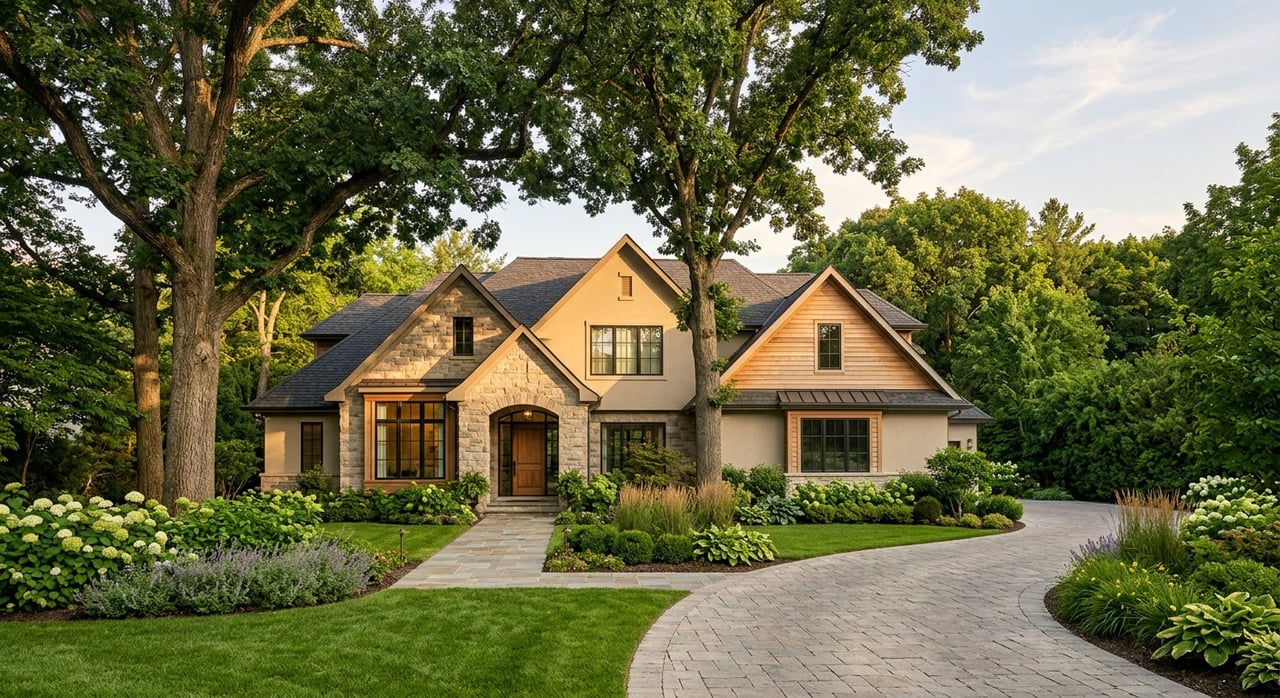
Trying to choose between Walnut Creek and Danville? It is a common East Bay question, especially if you want the right mix of lifestyle, commute, and home options without overpaying or compromising on how you want to live. The good news is that both communities offer strong appeal, but they serve different priorities. This comparison will help you understand how the housing markets, downtown environments, transit options, and everyday feel stack up so you can decide which one fits you best. Let’s dive in.
Market Snapshot
If you look at the numbers first, Walnut Creek and Danville are clearly not the same kind of market. Walnut Creek is the larger city, with an estimated 2024 population of 70,817, compared with 43,410 in Danville. It is also denser, which supports a more mixed housing environment and a more active urban-suburban feel.
Danville, by contrast, is more owner-occupied and more expensive on a homeowner basis. Census data shows an owner-occupied rate of 85.5% in Danville versus 64.4% in Walnut Creek, and the median value of owner-occupied housing is also much higher in Danville. In practical terms, that points to a market with more long-term ownership and a stronger detached-home orientation.
Citywide Prices and Pace
In Redfin’s April 2026 citywide data, Walnut Creek posted a median sale price of $862,555, with homes selling in 13 days and 261 homes sold. Danville’s median sale price was $1,816,062, with homes selling in 12 days and 107 homes sold. Both markets are moving quickly, but Danville sits at a significantly higher price point.
That gap matters if you are trying to balance lifestyle goals with budget. Walnut Creek offers a lower citywide entry point and a larger pool of transactions, while Danville is the pricier market overall. If flexibility and more housing variety matter to you, Walnut Creek may give you more room to compare options.
Detached Homes
For detached homes, the difference remains substantial. Bay East’s May/April 2026 detached-home reports show Walnut Creek at a median sale price of $1.585 million, 13 days on market, 103% of list price, and 1.7 months of inventory. Danville came in at $2.15 million, 18 days on market, 101% of list price, and 2.2 months of inventory.
Both markets are competitive and still lean toward sellers. Walnut Creek appears a bit tighter on inventory, while Danville carries the higher price and likely the higher ongoing ownership costs. If your goal is a detached home and you want to stay in the lower range of the two markets, Walnut Creek may offer more flexibility.
Condos and Townhomes
The attached-home segment creates one of the biggest differences between these two communities. Bay East reports Walnut Creek condos and townhomes at a median sale price of $692,500, with 29 days on market and 3.4 months of inventory. Danville’s attached market was $1,112,500, with 41 days on market and 4.9 months of inventory.
For first-time buyers, downsizers, or buyers who want lower maintenance living, Walnut Creek stands out more clearly here. The attached-home price gap is wide, and that helps explain why Walnut Creek’s overall citywide median is so much lower than Danville’s. If a condo or townhome is on your list, Walnut Creek may offer more accessible options.
Lifestyle and Daily Feel
Numbers matter, but day-to-day experience often decides where you feel most at home. Walnut Creek and Danville both offer appealing downtown areas and strong outdoor access, yet the feel is noticeably different.
Walnut Creek Lifestyle
Walnut Creek presents as a more urban-suburban environment with a walkable and active downtown. The city describes itself as known for shopping, dining, and arts, and that aligns with its larger size and more transit-connected setup. If you like having a busier core with a broader mix of destinations and housing types, Walnut Creek may feel like a natural fit.
It also has a strong outdoor component. Walnut Creek’s Open Space system manages more than 3,000 acres and more than seven miles of neighborhood trails. That means you can pair downtown convenience with easy access to open-air recreation.
Danville Lifestyle
Danville leans more toward small-town charm with an upscale edge. The town highlights its historic downtown, shops, restaurants, art galleries, and community programming, including free events at Prospect Park Plaza. The atmosphere is more intimate and quieter than Walnut Creek’s larger downtown setting.
Outdoor access is another major part of Danville’s appeal. The town borders Mount Diablo State Park and connects to regional trails and open space, including the Iron Horse Trail, Las Trampas Regional Wilderness, Sycamore Valley Open Space Preserve, and Sherburne Hills Open Space Preserve. If you picture a more residential setting with easy access to nature and a smaller historic core, Danville may suit you better.
Commute and Transit Differences
Your daily commute can shape how practical a location feels over time. This is one area where Walnut Creek has a clear advantage for some buyers.
Walnut Creek is about 23 miles east of San Francisco and about 12.5 miles from Berkeley. It also has direct BART service, with the Walnut Creek station serving the Antioch to SFIA/Millbrae line. The city also notes two BART stations and free bus routes linking Walnut Creek BART to downtown and Pleasant Hill BART to Shadelands.
Danville is about 30 miles east of San Francisco. Its public transit options connect riders to Walnut Creek or Dublin/Pleasanton BART via County Connection buses and park-and-ride options, rather than offering direct in-town BART service. Average commute times are fairly close on paper, but Walnut Creek is slightly shorter at 30.6 minutes versus 32.5 minutes in Danville.
Which Commute Setup Fits You?
If direct rail access matters, Walnut Creek is the more transit-friendly choice. It is better positioned for buyers who want a more connected core and the option to build part of their routine around BART. That can be especially appealing if you commute regularly or simply want more flexibility.
Danville may still work well if you are comfortable driving more often and want a quieter town setting. Many buyers are happy to trade direct rail access for a more detached-home-oriented environment and a smaller downtown feel. It really comes down to what kind of daily rhythm you prefer.
Ownership Patterns and Stability
Census data offers another useful lens. Walnut Creek has a 64.4% owner-occupied rate, while Danville sits at 85.5%. Residents living in the same home one year earlier were 84.6% in Walnut Creek and 89.2% in Danville.
Those figures suggest Danville is the more owner-heavy and tenure-stable market. Walnut Creek is still largely owner-occupied, but it has a broader housing mix and somewhat more mobility. If you are looking for a market that trends more heavily toward long-term ownership, Danville stands out.
Which Buyers May Prefer Walnut Creek?
Walnut Creek may be a better fit if you want:
- A lower citywide price point
- More condo and townhome options
- A larger market with more sales activity
- Direct BART access
- A more active, walkable downtown experience
- A mixed housing environment with urban-suburban energy
For many buyers, Walnut Creek works well when convenience, variety, and transit access are high priorities. It can also be a strong option if you want to enter the East Bay market at a lower price point than Danville.
Which Buyers May Prefer Danville?
Danville may be a better fit if you want:
- A more detached-home-oriented market
- A higher owner-occupancy environment
- A quieter, smaller-town downtown feel
- Strong access to open space and regional trails
- A market with more long-term ownership patterns
- An upscale residential setting with a historic core
For buyers who value space, a more residential atmosphere, and a small-town setting, Danville often checks the right boxes. It tends to appeal to those who are comfortable with a higher price point in exchange for that lifestyle.
Final Thoughts
There is no one-size-fits-all answer to Walnut Creek versus Danville. Walnut Creek tends to offer more variety, more transit convenience, and a lower citywide entry point. Danville tends to offer a more owner-occupied, detached-home-focused market with a quieter feel and a higher-end pricing profile.
The right choice depends on how you want to live, not just what you want to buy. If you are weighing commute habits, housing type, budget, and neighborhood feel, a side-by-side local perspective can make the decision much clearer. If you want help comparing specific neighborhoods, home types, or current opportunities in either market, Mary Bonham would be glad to help.
FAQs
How do Walnut Creek and Danville home prices compare?
- Walnut Creek has the lower citywide median sale price, while Danville is significantly higher overall. In April 2026 Redfin data, Walnut Creek was $862,555 and Danville was $1,816,062.
Is Walnut Creek or Danville better for condo buyers?
- Walnut Creek may offer more accessible condo and townhome options. Bay East reported a median attached-home price of $692,500 in Walnut Creek versus $1,112,500 in Danville.
Is Walnut Creek or Danville better for detached homes?
- Both have competitive detached-home markets, but Danville is higher priced and more detached-home oriented overall. Bay East reported detached medians of $1.585 million in Walnut Creek and $2.15 million in Danville.
Which area has better public transit, Walnut Creek or Danville?
- Walnut Creek has the more transit-friendly setup because it has direct BART service and local bus connections tied to downtown and nearby areas.
What is the lifestyle difference between Walnut Creek and Danville?
- Walnut Creek generally feels more urban-suburban, walkable, and transit-connected, while Danville feels quieter, more owner-occupied, and centered around a smaller historic downtown with strong outdoor access.
Is Danville or Walnut Creek more owner-occupied?
- Danville is more owner-occupied. Census data shows 85.5% owner occupancy in Danville compared with 64.4% in Walnut Creek.